
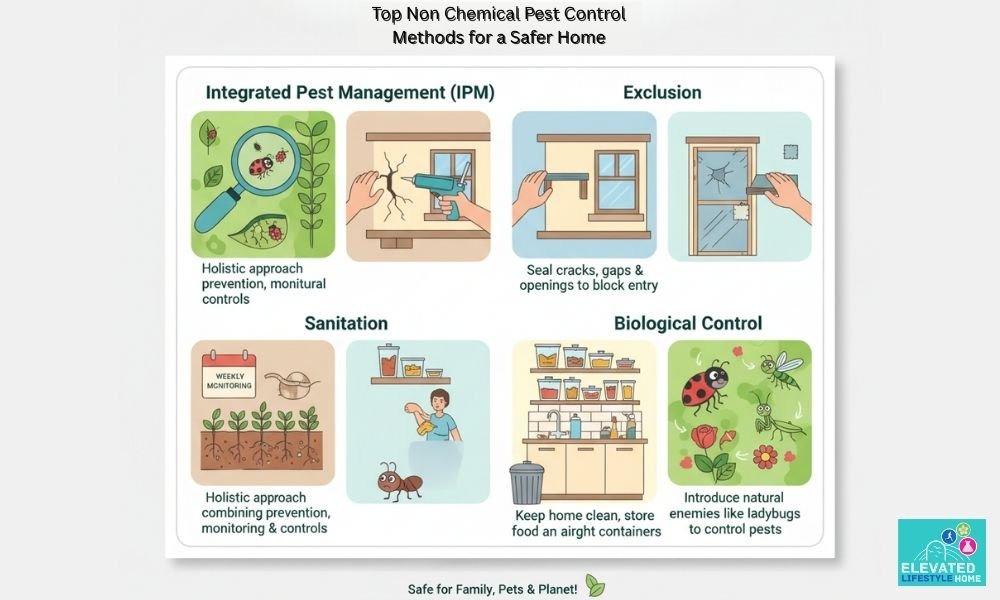
Living in a busy household often means dealing with unwanted insects or rodents, but many families feel uneasy about spraying synthetic pesticides around their living spaces.
That is why non chemical pest control methods have become the preferred choice for safety-conscious homeowners.
These alternative strategies focus on clean, sustainable practices that keep houses comfortable while protecting children, pets, and the surrounding environment from toxic residues.
The good news is that keeping pests away often starts with simple habits that make your home less inviting to them in the first place.
What Are Non Chemical Pest Control Methods?
Before choosing any solution, it helps to understand how non-chemical pest control actually works.
The term non chemical pest control methods refers to integrated pest management practices that completely eliminate the use of synthetic pesticides.
Rather than relying on chemical sprays to kill bugs on contact, these techniques focus on physical exclusion, habitat disruption, and natural biological balance.
These approaches help create a safer environment for children and pets by minimizing indoor chemical exposure.
Instead of masking a pest problem temporarily, non-chemical strategies modify your home’s environment so bugs cannot survive, feed, or reproduce.
Why More Homeowners Are Choosing Chemical-Free Pest Control

As families prioritize indoor air quality and environmental safety, the demand for chemical-free pest management has grown rapidly across modern households.
Synthetic pesticide exposure is an increasing concern, particularly in enclosed spaces where chemical vapors can linger on carpets, furniture, and baseboards.
For families with young children and pets who spend time playing on floors, non-toxic alternatives eliminate the risk of accidental chemical ingestion or skin irritation.
Furthermore, traditional chemical sprays can wash into local waterways and disrupt soil ecosystems. Adopting non-chemical strategies allows homeowners to maintain a clean, pest-free home while supporting broader environmental health.
What is a Natural Insect Repellent and Why People Prefer It
A natural insect repellent is a non-synthetic formula made from plant-based essential oils or organic mineral compounds that bugs naturally avoid.
Unlike synthetic bug sprays that rely on harsh chemicals, natural repellents utilize aromatic plant extracts—such as peppermint, lavender, eucalyptus, and citronella—to mask the scent cues pests use to locate food and living spaces.
Many homeowners prefer botanical repellents because they reduce chemical exposure while still helping keep common insects away.
When combined with proper home sanitation, learning how to make natural insect repellent at home provides a safe, low-cost line of defense against daily pest nuisances.
If you’re unsure which products professional companies typically use, our guide on what chemicals do pest control use explains the most common treatments and where they are applied.
How Non Chemical Pest Control Methods Actually Work
Instead of applying broad-spectrum toxins, non-chemical methods focus on understanding pest behavior and eliminating the environmental factors bugs need to survive. Every successful non-chemical pest control plan follows the same three ideas:
- Exclusion: Sealing structural cracks, gaps around utility pipes, and window crevices to physically block pests from entering your living space.
- Resource Elimination: Removing standing water sources, fixing plumbing leaks, and storing food in airtight glass or thick plastic containers to starve invading insects.
- Environmental Modification: Maintaining proper indoor humidity levels and keeping outdoor foliage trimmed back from exterior walls to destroy humid pest harborages.
By disrupting a pest’s access to food, water, and shelter, non-chemical strategies force bugs to relocate naturally without creating chemical resistance or harming beneficial indoor air quality.
The Most Effective Non Chemical Pest Control Methods

The best results come from combining several simple methods instead of relying on just one. Non-chemical methods fall into three primary categories:
- Physical & Mechanical Control: Installing physical barriers, door sweeps, window screens, and sticky traps to physically block or capture pests.
- Biological Control: Utilizing natural predators, beneficial insects (like ladybugs), or microscopic nematodes to control garden pests naturally.
- Environmental Sanitation: Maintaining strict cleanliness, managing moisture, and eliminating food clutter to prevent pests from establishing nests.
Combining these complementary techniques creates a robust defense system that protects both your indoor living areas and your outdoor garden without chemical reliance.
Physical Pest Control Techniques Without Chemicals

Blocking pests physically is the most direct and reliable non-chemical strategy available to homeowners. Physical pest control techniques create long-lasting structural barriers that keep insects and rodents out of your home entirely.
Key physical and mechanical techniques include:
- Installing High-Density Mesh Screens: Place fine mesh screens over foundation vents, attic soffits, and chimney flues to block flying insects, bats, and rodents.
- Adding Heavy-Duty Door Sweeps: Install nylon brush or solid rubber door sweeps along all exterior doors to close the gap between the door and threshold, stopping crawling insects and mice.
- Sealing Structural Crevices: Use siliconized acrylic caulk or expandable foam backed with copper mesh to seal gaps around plumbing pipes, baseboards, and exterior wall penetrations.
- Deploying Mechanical Traps: Utilize non-toxic sticky boards, snap traps, or catch-and-release box traps in dark corners and along perimeter walls to capture wandering pests without chemical baits.
Biological Pest Control and the Role of Natural Predators

Biological pest control leverages natural ecosystem dynamics to suppress pest populations without synthetic chemicals.
Rather than introducing broad-spectrum sprays that kill both harmful bugs and beneficial organisms, this strategy encourages or introduces specific beneficial species to manage pest outbreaks naturally.
Key biological control strategies include:
- Releasing Beneficial Insects: Introducing predatory insects—such as ladybugs, lacewings, and praying mantises—into garden spaces to naturally feed on damaging soft-bodied pests like aphids, mites, and whiteflies.
- Applying Beneficial Nematodes: Beneficial microscopic nematodes (Steinernema carpocapsae and Heterorhabditis bacteriophora) target soil-dwelling pests like flea larvae, grubs, and cutworms without posing any risk to earthworms, plants, or pets.
- Creating Predator-Friendly Habitats: Planting pollen-rich flowers and native shrubs to attract birds, dragonflies, and beneficial wasps that naturally keep flying insect populations in check.
Using Food-Grade Diatomaceous Earth for Indoor Pest Control
Food-grade diatomaceous earth is one of the most effective non-chemical pest control options for crawling insects.
Made from fossilized microscopic algae, this fine natural powder works by damaging the protective outer layer of insects, causing them to lose moisture and dehydrate over time. Because it works mechanically rather than chemically, insects cannot develop resistance to it.
For indoor use, lightly apply food-grade diatomaceous earth along baseboards, behind appliances, beneath sinks, and in cracks where ants, cockroaches, or silverfish are commonly seen.
A thin layer is usually more effective than a heavy pile because insects are more likely to walk through it.
While food-grade diatomaceous earth is considered much safer than chemical pesticides, avoid creating airborne dust during application.
Wear a dust mask if applying large amounts, keep children and pets away until the dust settles, and use only products specifically labeled as food-grade diatomaceous earth, not pool-grade products.
How to Make Natural Insect Repellent Using Household Ingredients
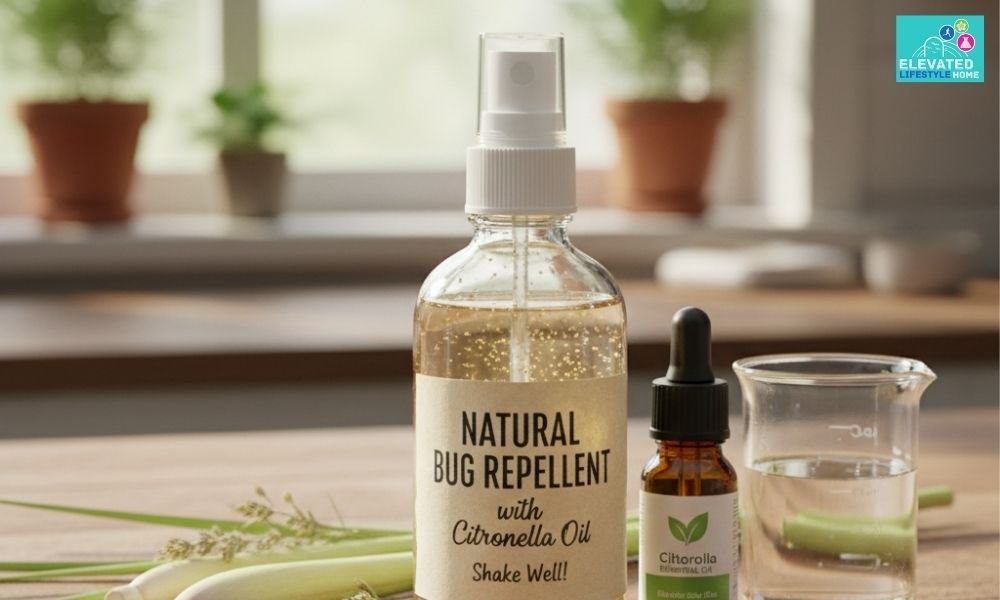
Creating your own non-toxic bug repellents using common kitchen ingredients is an inexpensive way to deter pests while keeping your living space safe.
Essential oils and botanical extracts work by overwhelming the sensory receptors insects use to navigate and forage.
Homemade Botanical Spray Recipe:
- Base Liquid: Mix 1 cup of distilled water with 1/2 cup of raw organic witch hazel or white distilled vinegar (acts as a natural emulsifier and preservative).
- Active Essential Oils: Add 15 to 20 drops of pure essential oils known for their insect-repelling properties—such as Peppermint oil (effective against ants and spiders), Eucalyptus or Citronella oil (repels mosquitoes), and Tea Tree oil.
- Application & Safety: Shake the spray bottle thoroughly before each use. Lightly mist around window sills, doorway perimeters, and patio entryways.
Pet Safety Precaution: Always ensure proper room ventilation when spraying essential oils indoors. Keep concentrated oils away from cats and dogs, as certain essential oils (like tea tree and concentrated citrus) can be toxic to pets if directly ingested or inhaled in high doses.
If you have pets at home, choosing the right treatment matters. Our guide to pest control that is safe for pets covers safer options for dogs and cats.
Baking Soda and Sugar for Cockroach Control
A simple mixture of baking soda and sugar is often used as a natural home remedy for cockroach problems. The sugar attracts cockroaches, while the baking soda reacts inside their digestive system after they consume it.
Although this method is not as fast as commercial baits, many homeowners use it as part of a broader non-chemical pest control strategy.
Sprinkle small amounts of the mixture in areas where cockroaches frequently travel, such as under sinks, behind refrigerators, and along kitchen baseboards.
Replace the mixture every few days to keep it fresh, and always combine this approach with proper cleaning, food storage, and sealing entry points for better long-term results.
Do Natural Insect Repellents Work in Real-Life Situations?
Natural insect repellents are exceptionally effective for short-term deterrence and preventive care, but setting realistic expectations is crucial for long-term success.
Unlike heavy synthetic pesticides that leave long-lasting chemical barriers, essential oils and botanical sprays evaporate more quickly due to their high volatility.
To maximize the effectiveness of natural repellents in real-world scenarios:
- Reapply Consistently: Reapply homemade botanical sprays every 2 to 3 days indoors, or after rain if used around outdoor patio perimeters.
- Combine Repellents with Physical Cleaning: Natural repellents work best when applied to clean surfaces. Removing scent trails left by scouting ants using warm soapy water allows plant-based repellents to hold their barrier much longer.
- Pair with Structural Sealing: A repellent deters bugs from a specific spot, but sealing entry gaps ensures they cannot simply find another way inside.
Non-Toxic Fly Control Methods

Houseflies and fruit flies are persistent household nuisances, especially during warmer months. Controlling flies without relying on aerosol chemical sprays requires a combination of strict sanitation, physical exclusion, and non-toxic traps.
- Eliminate Breeding Attractions: Keep indoor kitchen trash bins tightly sealed, clean up food spills immediately, and empty pet waste from yards daily to eliminate primary fly feeding grounds.
- Deploy Non-Toxic Sticky & Liquid Traps: Hang non-chemical yellow sticky ribbons near window frames where flies naturally congregate.
For fruit flies, set up a small dish containing apple cider vinegar mixed with a drop of liquid dish soap; the sweet scent attracts flies, while the soap breaks surface tension, causing them to drown. - Use Air Movement Barriers: Install high-velocity ceiling fans or small oscillating fans near kitchen entryways and outdoor dining tables. Flies cannot navigate strong air currents, creating a clean, chemical-free barrier around your dining space.
Simple Habits That Prevent Pest Problems Naturally
Maintaining a clean, dry living space is the most effective long-term defense against household pests. When insects cannot find moisture, food, or shelter inside your home, they are forced to remain outdoors.
Following a consistent household cleaning routine also helps remove food sources that attract common household pests.
- Manage Household Moisture: Repair leaking sink pipes, ensure bathroom exhaust fans function properly, and clean clogged rain gutters. Pests like silverfish, roaches, and termites are drawn directly to damp environments.
- Practice Airtight Food Storage: Store grains, flour, sugar, and pet food inside airtight glass, stainless steel, or heavy-duty plastic containers rather than cardboard boxes or thin plastic bags.
- Maintain Exterior Perimeters: Keep outdoor tree branches and shrubbery trimmed at least 12 inches away from your home’s exterior walls. This prevents pests from using foliage as a natural bridge to enter your roof or windows.
Benefits of Non Chemical Pest Control Methods
Choosing chemical-free pest management provides immediate health advantages and sustainable long-term protection for your entire home. Simple daily habits like these also work well alongside our 30 easy home cleaning hacks for maintaining a healthier home.
- Unmatched Household Safety: Eliminating synthetic pesticides protects infants, young children, and pets from coming into contact with toxic residues on carpets, low furniture, and floors.
- Preserves Indoor Air Quality: Non-chemical solutions do not release volatile organic compounds (VOCs) or harsh chemical mists into your HVAC system, ensuring clean, breathable indoor air.
- Prevents Chemical Pest Resistance: Repeated use of synthetic pesticides often leads to insects developing genetic resistance over generations. Physical barriers, traps, and natural desiccants remain 100% effective indefinitely because pests cannot adapt to mechanical exclusion.
- Environmental Protection: Non-toxic practices protect beneficial outdoor pollinators (like honeybees and butterflies), maintain healthy soil microbiology, and prevent toxic runoff into local waterways.
Common Mistakes People Make With Natural Pest Control
While non-chemical pest control is highly effective, minor execution mistakes can reduce its success. Avoid these common pitfalls to keep your home completely pest-free:
- Expecting Instant Elimination: Non-chemical methods focus on gradual population control and environmental modification. Expecting a severe infestation to disappear overnight without addressing the root cause leads to premature frustration.
- Relying on a Single Method: Using only a natural spray while ignoring structural cracks or open food containers will fail. Successful chemical-free control requires combining sanitation, physical barriers, and natural repellents.
- Inconsistent Reapplication: Natural repellents break down faster than synthetic chemicals. Skipping reapplication schedules allows pests to re-establish scent trails into your home.
How to Keep Outdoor Pests Away Naturally
Protecting your garden and outdoor perimeter naturally ensures that pests never reach your home’s interior threshold.
- Companion Planting: Interplant aromatic herbs—such as basil, rosemary, mint, and marigolds—alongside garden vegetables. Their natural scent compounds repel destructive garden pests while attracting beneficial pollinators.
- Utilizing Row Covers: Use lightweight, breathable mesh row covers over sensitive garden crops to physically block egg-laying insects from reaching leaves without blocking sunlight or water.
- Soil Solarization: During warm summer months, lay clear, UV-stabilized plastic sheeting tightly over moist garden soil for 4 to 6 hours daily over several weeks.
The trapped radiant heat naturally neutralizes soil-borne pests, weed seeds, and harmful fungal pathogens without chemicals.
Different pests require different cleaning approaches. If you’re tackling lice after treatment, you may also find our guide on how to clean house after lice helpful.
Final Thoughts on Choosing Safer Pest Control Alternatives
Keeping your home clean, comfortable, and free of pests does not require compromising your family’s health with harsh synthetic chemicals.
By adopting non chemical pest control methods—such as sealing structural entry points, practicing proper food storage, and utilizing botanical repellents—you create an environment where pests simply cannot thrive.
Embracing these natural, practical strategies empowers you to maintain a safe, healthy living space that protects your loved ones while preserving the environment for years to come.
FAQs About Non Chemical Pest Control Methods
Q1: What are non chemical pest control methods?
Non-chemical pest control methods are non-toxic strategies—such as physical barriers, mechanical traps, sanitation, and natural botanical repellents—used to manage pests without synthetic pesticides.
Q2: Can household pests be controlled without toxic chemical sprays?
Yes. Combining physical exclusion (door sweeps, caulk), moisture management, sanitation, and non-toxic sticky traps effectively eliminates and prevents most household pest infestations naturally.
Q3: How does food-grade diatomaceous earth work for pest control?
Food-grade diatomaceous earth is a natural mineral powder that absorbs the protective waxy outer coating from crawling insects (like ants, roaches, and fleas), causing them to safely dehydrate and die without chemical toxicity.
Q4: How do you make a natural insect repellent at home?
Mix 1 cup of water, 1/2 cup of witch hazel or white vinegar, and 15–20 drops of pure essential oils (such as peppermint, lavender, or eucalyptus) in a spray bottle to naturally repel crawling and flying insects.
Q5: Is biological pest control safe for home gardens?
Yes. Introducing beneficial insects (like ladybugs) or beneficial nematodes targets harmful garden pests naturally without releasing chemicals or harming non-target organisms, pets, or soil health.
Q6: Are physical barriers effective at keeping pests out of homes?
Yes. Installing fine mesh screens over vents, heavy-duty door sweeps, and sealing wall crevices with caulk physically stops insects and rodents from entering your living space.
Q7: Are essential oil sprays safe to use around dogs and cats?
Many natural sprays are safe when properly diluted and used in well-ventilated areas. However, avoid highly concentrated applications around pets, as certain oils (like tea tree or citrus) can be toxic if directly ingested or inhaled in large amounts.
Q8: What is the best non-chemical way to get rid of houseflies?
Combine non-toxic apple cider vinegar traps, hang yellow sticky ribbons near windows, seal indoor food waste, and use oscillating fans near entryways to disrupt fly flight paths naturally.
Q9: How long do homemade natural pest repellents last?
Homemade essential oil sprays typically remain active for 2 to 3 days indoors. They evaporate faster than synthetic pesticides and should be reapplied regularly or after cleaning surfaces.
Q10: What is soil solarization in non-chemical gardening?
Soil solarization involves covering moist garden soil with clear plastic sheeting during hot summer months. The trapped solar heat naturally neutralizes soil pests, weed seeds, and pathogens without chemical treatments.

