
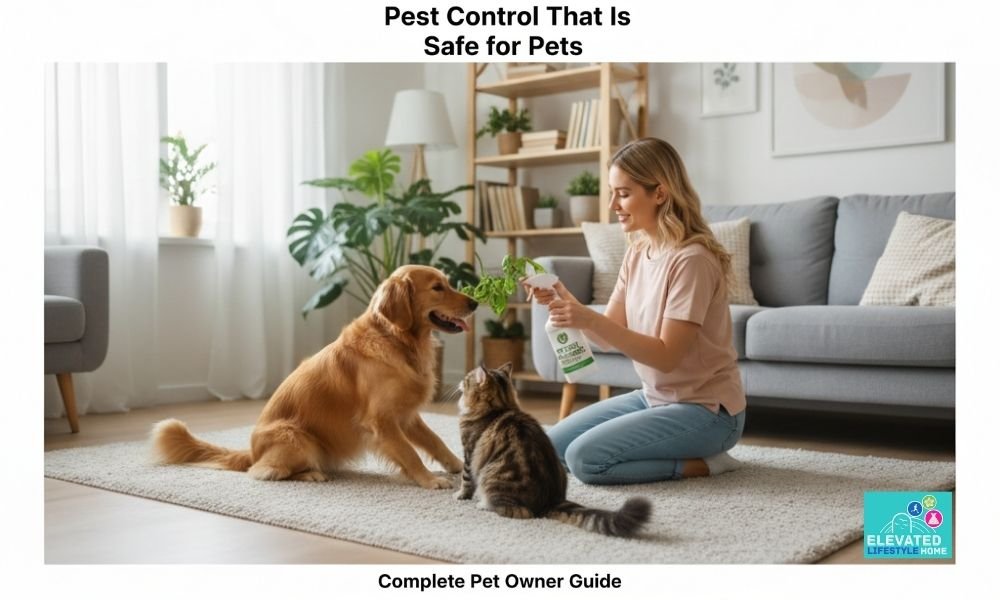
When pests invade your home, getting rid of them is important—but keeping your pets safe is just as important. The right pest control methods can eliminate insects while protecting your dogs, cats, and other pets from harmful chemicals.
Finding pet-safe pest control helps protect your dogs, cats, and other pets from accidental exposure to harmful pesticides while keeping your home pest-free.
Using the wrong pesticide or leaving bait where pets can reach it can increase the risk of poisoning. Choosing the right product and following the label directions can help protect your pets.
By combining prevention, targeted pest control, and proper safety precautions, you can reduce pest problems while helping keep your pets safe.
Why Pest Control That Is Safe for Pets Matters

Pesticide treatments can pose risks to pets if products are used incorrectly or pets enter treated areas too soon.
Pets often walk, crawl, and play on floors and carpets where pesticide residues may remain after treatment. Cats may also groom their paws, which can increase the chance of accidentally swallowing something they have walked through.
Because pets may lick their paws after walking on floors or other surfaces, preventing contact with wet or improperly applied pesticides is especially important.
Cats can be particularly sensitive to some pesticides, including certain products containing permethrin. Never use a pesticide on or around a pet unless the product is specifically labeled for that animal and use.
Following product directions and keeping pesticides away from pets can help reduce accidental exposure and keep your home safer.
- Reduces accidental exposure: Keep pesticides and bait products away from pets.
- Keeps pets away from treated areas: Follow the product label for application and re-entry instructions.
- Supports a safer home environment: Remove pets, food, toys, and bedding from treatment areas when instructed.
What Does Pest Control That Is Safe for Pets Really Mean?
Pet-safe pest control does not always mean avoiding pesticides completely. It means choosing the right product, using it exactly as directed, and keeping pets away from treated areas for the required time.
Pet-conscious pest control focuses on using the right product for the pest, applying it according to the label, and placing treatments where pets cannot access them.
The United States Environmental Protection Agency (EPA) classifies home products based on precise acute toxicity tiers.
Depending on the pest, professionals may use enclosed baits, insect growth regulators, traps, or other targeted treatments. The goal is to control pests while minimizing your pet’s exposure to pesticides and treated areas.
Common Pests and Targeted Solutions for Animal Owners
Different pests require different control methods. The safest option depends on the pest, the treatment area, and the pets in your home.
To choose the optimal treatment approach based on your home and the pets you have, utilize this clean data directory:
| Pest | Lower-exposure approach |
|---|---|
| Fleas & ticks | Targeted treatment + professional/veterinary guidance |
| Ants & roaches | Enclosed bait stations or targeted bait placement |
| Mice & rats | Secured mechanical traps or tamper-resistant bait stations |
| Spiders & beetles | Prevention, exclusion, and targeted treatment when needed |
Fleas and Ticks
Fleas and ticks can cause skin irritation and other health problems in pets, and some ticks can transmit diseases.
Depending on the severity of the infestation, treatment may include an insect growth regulator for the home and an appropriate flea or tick product for the pet. Ask your veterinarian which product is appropriate for your animal.
For flea infestations, products containing insect growth regulators may help interrupt the flea life cycle. Follow the product label carefully and speak with your veterinarian about appropriate treatment for your pet.
Ants and Cockroaches
Ants and cockroaches can contaminate food-preparation areas and pet feeding areas. Instead of deploying broad chemical floor mists, apply hidden organic gel baits directly inside wall crevices or use sealed bait stations.
This localized placement allows foraging workers to consume the active solution and carry it back to the nest while keeping the product sealed away from curious paws.
Rodent Infestations
Mice and rats can damage wiring, insulation, furniture, and other parts of the home. Their droppings and urine can also contaminate areas.
Avoid leaving rodenticide where pets can reach it. If rodent bait is necessary, use only products according to their label directions and place them in locations or stations that prevent pet access.
If traps are used, place them where pets cannot reach them or use appropriate protective trap stations.
What Chemicals Do Pest Control Companies Use?
Evaluating what chemical do pest control companies use requires separating high-risk legacy synthetics from modern low-impact chemical formulations.
Pest control companies use different products depending on the pest, treatment area, and infestation. These may include baits, insect growth regulators, pyrethroid products, traps, and other registered pesticides.
Before treatment, ask the technician which product will be used, what the active ingredient is, and what precautions are required for pets.
If you’re curious about the ingredients professionals actually use, read our detailed guide explaining what chemicals do pest control use and when they’re considered safe around pets.
Traditional Chemical Treatments
Sprays and foggers are among the traditional approaches. While they can be effective, they may also expose pets to harmful residues if not used correctly.
Pets may inhale residues or walk through treated areas. As a result, older methods are less popular among “pet-safe exterminator” services today.
| Treatment | Relative pet-safety consideration | Common use |
|---|---|---|
| Gel baits | Keep completely inaccessible to pets | Ants & roaches |
| IGRs | Follow label precautions and re-entry instructions | Fleas |
| Foggers | Require strict precautions and removal of pets | Certain severe infestations |
| Botanical products | Safety depends on the specific product and ingredients | Some pest-control applications |
Low-Toxicity and Modern Alternatives
Some pest-control services use targeted or lower-exposure treatment options, such as enclosed baits, insect growth regulators, or carefully applied products. However, a product’s safety depends on its ingredients, application, and label directions.
Are Pest Control Chemicals Harmful to Pets?
Pesticides can be harmful to pets if they are exposed to the wrong product, an excessive amount, or a treated area before it is safe to re-enter.
The risk depends on the pesticide, how it is used, how much exposure occurs, and whether pets enter the treated area too soon.
Traditional synthetic compounds can cause sudden gastrointestinal issues, severe skin inflammation, and acute respiratory irritation if pets walk through damp treatment zones.
Cats can be especially sensitive to certain pesticides. For example, products containing permethrin can be dangerous to cats, particularly when products intended for dogs are used on cats. Always check the label and use only products specifically approved for your pet.
Dogs are also at risk when they step directly on fresh residue track lines and later ingest the elements by licking their paws. Using products correctly and keeping pets away from treated areas can significantly reduce the risk of accidental exposure.
Pet-Safe Pest Control Methods Used by Professionals

Professional pest-control technicians may use targeted treatments such as crack-and-crevice applications, bait stations, traps, and other methods that reduce unnecessary exposure.
Professional management focuses entirely on localized crack-and-crevice injections, structural wall void treatments, and secure subsurface baiting techniques that keep active products completely out of reach.
Implementing Integrated Pest Management (IPM) practices remains the most successful strategy to balance long-term insect elimination with safety.
This holistic process combines intense structural inspection, hygiene sanitation auditing, and highly restricted product usage to block pest entry pathways naturally.
Keep pets away from the treatment area during application and follow the technician’s instructions for re-entry.
Natural and Eco-Friendly Pest Control Options for Pets
For households looking to minimize synthetic chemical volumes completely, plant-based formulations and organic mineral barriers provide an exceptional first line of structural defense.
Diatomaceous earth can help control some crawling insects, but it should be used carefully according to the product label because airborne dust can irritate the lungs of both people and animals.
These options may be useful for certain prevention or minor pest problems, but their effectiveness depends on the pest, product, and application method.
Combining preventive botanical applications with strict mechanical barriers allows you to manage daily pest activity safely while maintaining total peace of mind for your pets.
Looking for chemical-free alternatives? Explore our complete guide to non-chemical pest control methods for practical ways to keep pests under control while creating a safer environment for your pets.
How to Prepare Pets Before Pest Control Treatment

Executing a residential application safely requires establishing strict physical containment boundaries before your service technician arrives at the property.
Keeping cats, dogs, and smaller companion animals completely isolated from active treatment footprints prevents them from walking on wet solutions or licking fresh residues.
Understanding how to manage your space efficiently is a critical preparation phase that guarantees zero accidental chemical contact.
To protect your animals and secure a completely stress-free treatment window, implement these essential preparation steps:
- Clear All Ingestion Paths: Remove or tightly seal all pet food bowls, water reservoirs, chew toys, and raw treat packages away from the open rooms.
- Isolate Small Enclosures: Move fragile smaller animals, such as rabbits, guinea pigs, and pet birds, to a separate closed floor plan zone, and tightly cover stationary fish tanks with protective sheets while shutting off their air pumps.
- Secure Sleep and Resting Assets: Pack up all fabric pet bedding matrices, blankets, and loose floor rugs to keep drifting airborne chemical droplets from settling on their favorite resting areas.
- Plan Post-Service Ventilation: Ensure your active HVAC fans are set to run or open cross-room window channels after the drying phase concludes to speed up the fresh air exchange cleanly.
If you’re treating a flea infestation, don’t forget to clean your home thoroughly as well. Follow our step-by-step guide on how to clean house for fleas to help prevent reinfestation.
How Long After Pest Control Is It Safe for Pets?
The safe re-entry time depends on the product used, the treatment area, and the application method. Always follow the product label and the pest-control professional’s instructions before allowing pets back into a treated area.
- Indoor treatments: Keep pets out until treated surfaces are completely dry and the product label or technician confirms that re-entry is safe.
- Outdoor treatments: Keep pets away for the period specified on the product label and by the pest-control professional. Do not allow pets onto treated grass, soil, or other surfaces while they are still wet.
- Ventilation: Follow the product label’s instructions about ventilation before allowing pets or people back into the treated area.
When in doubt, wait for the technician’s specific re-entry instructions rather than relying on a general time estimate.
Signs of Pesticide Exposure and Emergency Actions

Even when utilizing highly professional services, accidental contact with wet chemical residue can still occur through unexpected structural leaks or improper drying windows.
Recognizing early physiological warning metrics allows you to execute immediate lifesaving counter-actions before toxic elements enter your animal’s bloodstream deeply.
If an animal walks through an active wet treatment zone or licks raw chemical residue, watch closely for mild exposure signs like intense hypersalivation, sudden watery eyes, and localized skin twitching.
More advanced toxicity indicators include persistent vomiting, severe muscle tremors, respiratory distress, and sudden loss of motor coordination.
If you observe any of these critical warning coordinates, remove the animal from the treated zone immediately, flush their paws with fresh lukewarm water, and contact a certified emergency veterinarian right away.
- Move pet away
- Wash paws
- Remove contaminated collar
- Call veterinarian
- Keep product label
Choosing a Pet-Friendly Pest Control Service
Selecting a dedicated local extermination team requires looking past basic promotional text and verifying their active eco-friendly certifications.
A professional service company should provide complete transparency regarding their active chemical choices and structural application techniques before opening any product containers.
Ensure your chosen operator possesses full municipal licensing and specializes directly in low-toxicity Integrated Pest Management protocols.
Experienced technicians will carefully walk you through their planned compound choices, outline the mandatory re-entry drying timelines, and systematically isolate your indoor pets away from any active application points to guarantee absolute containment.
Tips to Prevent Pests Without Using Chemicals
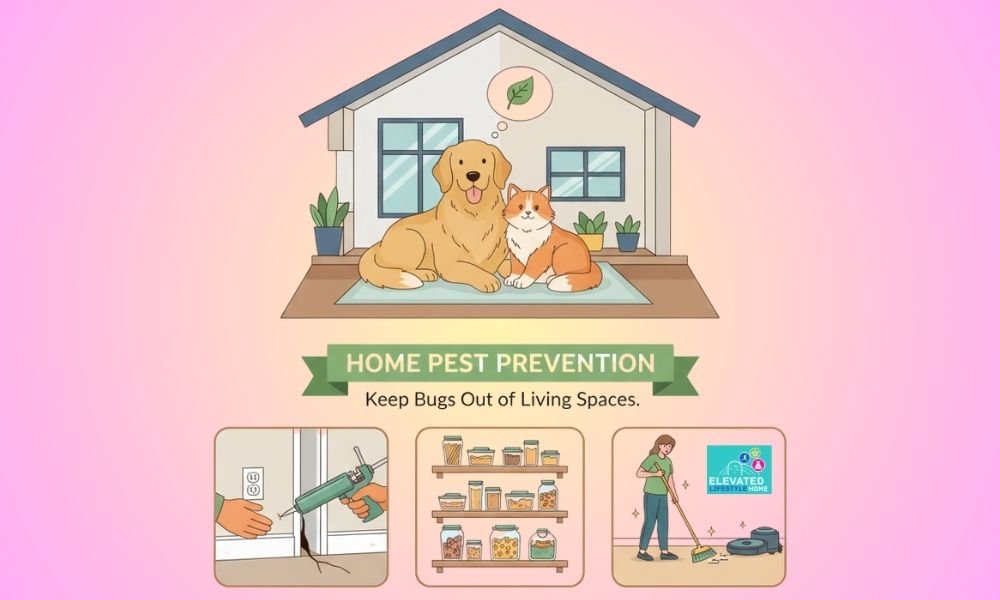
The best way to reduce the need for repeated pesticide treatments is to prevent pests from entering and remove the food, water, and shelter they need.
Implementing clean, preventative habits seals your structural envelope naturally while keeping your home ecosystem completely stress-free.
- Seal Exterior Entry Points: Pack expanding silicone caulk and heavy steel wool into baseboard cracks and pipe entries to block pest transit pathways permanently.
- Optimize Food Storage Infrastructure: Store open pet kibble in airtight containers to prevent attracting foraging nocturnal rodents.
- Maintain Exterior Perimeter Clearances: Cut back low-hanging tree branches and clear organic leaf piles at least two feet away from your home’s foundation to drop pest tracking velocity.
A consistent cleaning routine also helps reduce food sources and hiding places for pests. Our household cleaning routine can help you keep your home cleaner all year round.
Final Thoughts: Protecting Your Home Without Harming Your Pets
Ultimately, selecting pest control that is safe for pets is not about choosing between messy bug infestations or risking your animal’s internal health. It is about protecting your home while making sure your pets stay healthy and safe.
The safest approach to pest control is to combine prevention, targeted treatment, and careful product use.
Keep pets away from pesticides and treated areas, follow label instructions, and ask a professional or veterinarian when you are unsure. With these simple precautions, you can manage pests while reducing unnecessary risks to your pets.
For even better long-term results, combine safe pest management with regular deep cleaning. Learn the best carpet cleaning method to remove hidden dirt, allergens, and pet-related messes from your home.
FAQs About Pest Control That Is Safe for Pets
Q1: Is pest control that is safe for pets actually possible at home?
Yes. Pet-conscious pest control is possible when products are selected carefully, applied according to the label, and kept away from pets during treatment and re-entry.
Q2: How long should dogs and cats stay away after interior spraying?
The required re-entry time depends on the product, application method, and treatment area. Keep pets away until treated surfaces are completely dry and the product label or pest-control professional says it is safe to re-enter. Always follow the specific instructions provided for the treatment.
Q3: What chemical do pest control companies use for low-risk treatments?
The products used by pest-control companies vary depending on the pest and treatment. They may use baits, insect growth regulators, pyrethroid products, or other pesticides. Ask your technician for the product name, active ingredient, label precautions, and pet re-entry instructions before treatment.
Q4: What are the early signs of pesticide exposure in domestic cats?
Possible signs of pesticide exposure can include excessive drooling, vomiting, tremors, weakness, breathing problems, or unusual behavior. If you suspect pesticide exposure, move your pet away from the treated area, keep the product label or container available, and contact your veterinarian for guidance. Seek emergency veterinary care if your pet develops severe or rapidly worsening symptoms.
Q5: Can I use open rodenticide pellets in a home with companion dogs?
Rodenticides can be dangerous if pets accidentally ingest them. Never leave rodenticide where pets can reach it. If rodent control is necessary, follow the product label carefully and use only placement methods or bait stations designed to prevent pet access. Ask a pest-control professional about safer options for your home.
Q6: Do natural botanical pest control methods actually work for heavy infestations?
Natural or botanical pest-control methods may help with some pests or minor infestations, but their effectiveness depends on the pest, product, and application. Heavy or persistent infestations may require professional pest management. Always follow the product label and keep pets away from products that could be harmful if inhaled or ingested.
Q7: Is outdoor perimeter lawn spraying safe for active tracking dogs?
Outdoor pesticide treatments can pose risks if pets enter treated areas too soon. Keep dogs and other pets away from treated lawns and outdoor surfaces while they are wet and for the re-entry period specified on the product label or by the pest-control professional.
Q8: Why does my cat have a higher chemical sensitivity than a dog?
Cats can be especially sensitive to certain pesticides. Never use a dog-only flea or pest-control product on a cat unless the product label specifically states that it is safe for cats. If you are unsure about a product, ask your veterinarian before using it.
Q9: Should I cover my pet’s feeding dishes before the technician arrives?
Remove pet food, water bowls, toys, and bedding from the treatment area before pesticide application. If the product label or technician provides additional preparation instructions, follow those instructions carefully.
Q10: How can I protect my indoor pets if my immediate neighbor sprays their yard?
Keep pets indoors and avoid contact with any areas that may have been affected by pesticide drift or runoff. If you notice pesticide exposure or are concerned about chemicals entering your home, follow the product-specific guidance provided by the applicator and contact your veterinarian for advice if needed.

