
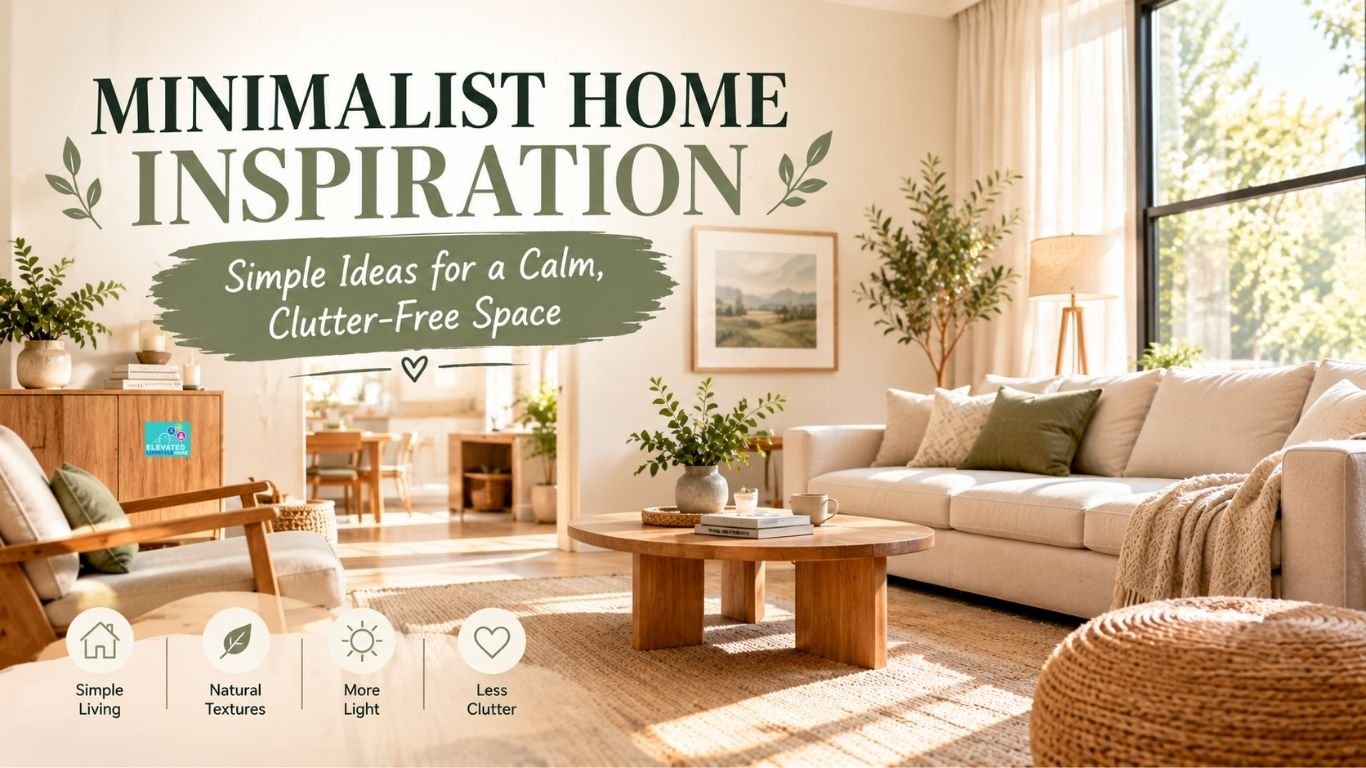
Coming home to a cluttered counter, overflowing shelves, and piles of laundry can leave you feeling drained before you even kick off your shoes. Creating a quiet, intentional living space can make your home feel more comfortable and easier to enjoy every day.
True minimalist home inspiration is not about living in a stark, cold white box or getting rid of everything you own. It is about clearing away the visual chaos so the things that truly matter have room to shine.
When you choose practical furnishings, soft neutral textures, and functional storage, your house stops feeling like another endless to-do list and starts feeling like a restful sanctuary.
Whether you are designing a new apartment or simply looking for practical ideas on how to create a minimalist home, this room-by-room guide will help you create a warm, clutter-free space that works for real, everyday life.
What Does Minimalist Home Design Actually Mean?

At its core, minimalist design is about keeping the things you use and value while reducing unnecessary visual clutter.
Many people worry that minimalism feels sterile or uninviting—like an art gallery where nobody is allowed to touch anything. In reality, a well-planned modern minimalist interior feels grounding, warm, and deeply comfortable.
- Clean, Uncomplicated Lines: Simple furniture profiles without ornate moldings, heavy ruffles, or bulky frames.
- Tactile, Organic Textures: Layering natural elements like rough-hewn oak, slubby linen, wool throws, and matte ceramic vases to bring warmth into neutral rooms.
- Purposeful Breathing Room: Leaving open areas on walls and floors can help rooms feel more open and allow natural light to reach more of the space.
- Functional Layouts: Ensuring every piece of furniture serves a clear purpose rather than just filling up empty square footage.
5 Practical Reasons to Embrace a Minimalist Home
Adopting thoughtful minimalist home ideas changes more than just how your house looks—it transforms your daily routine:
- A Calmer-Looking Environment: Reducing visible clutter can make rooms feel calmer and easier to relax in, especially when everyday surfaces are kept clear.
- Faster, Easier Cleaning: Fewer decorative objects can leave more surfaces accessible for dusting and make everyday cleaning feel simpler.
- More Intentional Shopping: Choosing timeless, useful pieces can help reduce unnecessary decor purchases and encourage a more thoughtful approach to what you bring into your home.
- Better Focus and Rest: Keeping bedrooms, work areas, and living spaces organized can reduce visual distractions and make it easier to focus, read, work, or relax.
- More Thoughtful Consumption: Choosing durable furniture and buying fewer unnecessary decor items can help reduce waste and encourage a more intentional approach to shopping.
The 15-Minute Minimalist Reset
If your home feels overwhelming, don’t try to declutter everything at once. Try this simple 15-minute reset:
- Clear one visible surface.
- Put misplaced items back in their designated homes.
- Remove obvious trash or recycling.
- Return only the items you regularly use.
- Finish by opening curtains or a window to refresh the space.
Starting with one small area can make decluttering and minimalism feel more manageable without turning the process into an all-day project.
Room-by-Room Minimalist Interior Design Guide

Instead of trying to change the whole house at once, work through one room at a time. Here is how to create a balanced, functional flow throughout your entire layout:
1. Living Room: A Restful Gathering Space
The living room is usually the heart of the house, which makes it the easiest place for mail, chargers, and clutter to accumulate.
- Anchor with Low-Profile Furniture: Choose a comfortable, straight-lined sofa in a durable neutral fabric like oatmeal, dove gray, or warm taupe. Pair it with a simple wooden coffee table featuring hidden lower drawers.
- Curate Single Focal Points: Instead of a busy gallery wall, hang one large, framed canvas print or black-and-white architectural photograph.
- Limit Surface Clutter: Keep your coffee table mostly bare, displaying only a single ceramic tray, a scented soy candle, and one or two favorite coffee table books.
- Rely on Warm Ambient Lighting: Skip harsh overhead lights in favor of a dimmable floor lamp with a linen shade casting soft, warm 2700K lighting across the seating area.
2. Kitchen: Clean Counters and Functional Flow
A functional minimalist kitchen keeps food prep enjoyable by keeping workspace clear and tools within easy reach.
- Adopt the Clear-Counter Rule: Store small countertop appliances—like blenders, toasters, and instant pots—inside deep lower pantry cabinets or an appliance garage, leaving only your everyday coffee brewer visible.
- Choose Seamless Cabinetry: Flat-panel cabinets in matte white, soft gray, or pale oak with discreet finger pulls or slim black hardware create a clean, streamlined appearance.
- Use Open Shelving with Restraint: If you install floating shelves, use them exclusively for items you reach for daily, such as stacks of matching white ceramic dinner plates and clear glass drinking tumblers.
3. Bedroom: An Uncluttered Sleep Sanctuary
Your bedroom should be an intentional retreat designed to support a restful, comfortable atmosphere.
- Invest in a Low Platform Bed: A simple wooden or upholstered platform frame keeps the visual height of the room low and airy.
- Choose Breathable Natural Bedding: Layer washed linen or breathable percale cotton sheets in soft tones of ivory, slate, or moss green. Skip complicated decorative pillow arrangements in favor of two sleeping pillows and a single textured throw blanket.
- Keep Nightstands Minimal: Keep only an alarm clock, a warm bedside reading lamp, and whatever book you are currently reading on your nightstand top. Store phone chargers and personal items inside the drawer.
4. Bathroom: A Clean, Spa-Inspired Haven
Small bathrooms easily feel crowded with toiletries, styling tools, and half-empty bottles.
- Clear the Vanity Top: Use matching ceramic or amber-glass pump dispensers for hand soap and hand lotion, placing them neatly on a small stone or bamboo tray.
- Install Floating Storage: Mount a clean-lined floating vanity or recessed medicine cabinet to hide toothbrushes, skincare products, and shaving gear out of sight.
- Stick to Uniform Linens: Replace mismatched, faded towels with a stack of rolled, waffle-weave bath sheets in crisp white or soft sandstone.
Master Decor Blueprint: Curating Minimalist Home Decor Essentials

To keep your home cohesive, focus on versatile minimalist home decor essentials that combine utility with subtle elegance:
| Home Element | Recommended Material / Style | What to Look For | What to Skip |
| Living Room Rugs | Jute, flatweave wool, low-pile cotton | Solid neutral tones, subtle ribbed textures | Busy multicolored patterns, high-pile shags |
| Window Treatments | Sheer linen, lightweight linen drapes | Soft light filtering, floor-length drapes, matte black rods | Heavy brocade valances, dark plastic mini-blinds |
| Decorative Accents | Ceramic stoneware, smoked glass, marble | Organic shapes, textured matte finishes | Plastic knick-knacks, small decorative signs |
| Seating & Tables | Light oak, walnut, powder-coated steel | Slim tapered legs, integrated hidden drawers | Bulky roll-arm couches, heavy ornate wood carvings |
| Lighting Fixtures | Frosted glass, brushed brass, matte black | Simple globes, slim arc floor lamps (2700K warm) | Ornate crystal chandeliers, exposed bright LED bulbs |
Smart Minimalist Furniture Ideas for Everyday Living

When selecting furniture, focus on multipurpose pieces that maximize square footage without making rooms feel heavy. For more practical ideas for making the most of limited space, explore these tiny home organization ideas
- Storage Ottomans & Benches: Place an upholstered bench at the foot of your bed or in the entryway to hold extra winter quilts or shoes out of view.
- Modular Shelving Systems: Wall-mounted metal-and-wood modular wall units provide storage that uses vertical wall height rather than eating up floor space.
- Extendable Dining Tables: Choose a sleek wooden dining table with a hidden drop-in leaf, so you have a modest surface for daily meals that easily expands when hosting guests.
- Floating Desks: For smaller home offices or living room nooks, a wall-mounted floating desk keeps floor space unobstructed and makes vacuuming easy.
Everyday Strategies for Minimalist Home Organization

Designing a simple home is only half the battle; maintaining it requires a few straightforward daily habits. Practical minimalist home organization comes down to three steady routines:
- The “One In, One Out” Rule: Whenever you bring a new coat, pair of shoes, or kitchen pan into the house, choose an older, unused item to donate or recycle.
This keeps your closets from slowly overflowing. If your wardrobe is one of the areas that tends to collect clutter, these organizing your closet ideas can help you create a more functional and streamlined space. - The One-Touch Principle: When you take off your jacket, sort the daily mail, or finish washing a coffee mug, put it directly in its designated home immediately rather than setting it down on the kitchen counter for later.
- Concealed Storage Bins: Group smaller miscellaneous items inside woven sea-grass baskets, labeled canvas bins, or felt drawer dividers so open shelves stay neat and uniform.
Building a Harmonious Minimalist Color Palette
A consistent minimalist color palette ties adjoining rooms together, making your entire home feel continuous and calm:
- Warm Sand & Alabaster: Mix soft ivory walls with warm white-oak furniture and natural linen textiles for an inviting, sunlight-filled atmosphere.
- Earthy Greens & Warm Beige: Combine pale sage green accents with sandy beige tones and brushed brass details to create a grounded, nature-inspired setting.
- Nordic Gray & Crisp White: Pair soft pale gray upholstery with clean white walls and subtle matte black iron lighting fixtures for a classic Scandinavian minimalist design aesthetic.
- Muted Charcoal & Warm Walnut: Contrast deep charcoal accent pieces with rich walnut wood grains and cream-colored ceramics for a cozy, sophisticated evening space.
Bringing Personality into a Minimalist Home (Without the Clutter)
A minimalist home can still feel personal and lived-in without becoming visually cluttered. You can easily showcase your personality while preserving a clean, intentional aesthetic:
- Incorporate Architectural Indoor Plants: A tall fiddle-leaf fig in a stoneware planter or a trailing pothos on a high shelf brings vibrant organic color and natural texture into a neutral room.
- Curate a Capsule Bookshelf: Display a small, carefully chosen collection of your favorite art, design, or literature books stacked neatly horizontally and vertically, leaving plenty of empty space on each shelf.
- Showcase Handmade Ceramics: Select two or three hand-thrown ceramic mugs or bowls crafted by local artisans. Their organic, slightly imperfect shapes add character and charm to open kitchen shelving.
- Frame Meaningful Personal Memories: Print two or three favorite family travel moments in black and white, framing them with generous white matting and slim wood frames.
If you enjoy adding personal touches without filling your home with unnecessary decor, explore these DIY home decor projects for simple, intentional updates.
Illustrative Example: Transforming a Cluttered Living Space

Imagine an 850-square-foot urban apartment with a cluttered living room. Here is how practical minimalist design principles could change the space:
- The Starting Point: Mismatched hand-me-down side tables, wire shelving packed with mixed plastic bins, and a bulky, overstuffed floral sectional sofa that blocked half the natural sunlight from the patio door.
- The Intentional Changes:
- Replaced the oversized sectional with a tailored three-seat sofa raised on slim wooden legs to let light pass underneath.
- Swapped three plastic storage racks for a single full-height oak cabinet with closed lower doors to conceal router cords, board games, and paperwork.
- Painted the walls a soft warm white and replaced thick, dark curtains with airy off-white linen panels.
- Replaced the oversized sectional with a tailored three-seat sofa raised on slim wooden legs to let light pass underneath.
- The Practical Result: The room can feel more open and easier to maintain, while the homeowner gains a quieter space to work, relax, and move around comfortably.
Final Thoughts: Designing a Calmer Home on Your Own Terms
Embracing minimalist home inspiration is not about following rigid rules or stripping your house down until it feels empty. It is about creating breathing room so you can enjoy the spaces and belongings that matter most.
You do not need to declutter your entire house in a single weekend. Pick one small zone—a single kitchen counter, your bedside table, or an entryway drop zone—and focus on clearing the visual noise.
Once you get used to keeping fewer things in sight, maintaining the space can become much easier.
Which room in your house feels the most cluttered right now? Are you working on simplifying your living room or trying to clear off your kitchen counters? Let us know below—we would love to hear your ideas!
Frequently Asked Questions (FAQs)
Q1: What is minimalist home inspiration?
Minimalist home inspiration is an interior design philosophy centered on simplicity, functional furniture, and clutter-free living. Instead of filling empty square footage with decorative knick-knacks, it prioritizes natural light, neutral color palettes, tactile textures, and intentional layouts that create a calm, restful atmosphere.
Q2: How do I start creating a minimalist home without feeling overwhelmed?
The easiest way is to start small by clearing a single flat surface, such as your kitchen island or bedroom nightstand. Follow the “one-in, one-out” rule for new purchases, donate unused items from your closets, and focus on practical minimalist home organization before buying any new furniture.
Q3: What are the key elements of minimalist interior design?
The core elements include clean architectural lines, open floor plans, uncluttered surfaces, multi-functional furniture, generous natural lighting, and a cohesive neutral color palette layered with natural textures like linen, wool, and light wood.
Q4: Can a minimalist design work well in small apartments?
Yes, minimalism can work especially well in smaller apartments and homes. Prioritizing appropriately sized furniture, floating shelves, and hidden storage can keep more floor space visible and make compact rooms feel more open and easier to maintain.
Q5: What is the best color palette for a minimalist living room?
A versatile minimalist color palette pairs warm whites, soft creams, and light taupes with muted earthy tones like sage green or warm gray. Layering pale oak wood grains and black metal accents provides contrast without introducing visual clutter.
Q6: How can I keep my minimalist home organized long-term?
Long-term organization relies on everyday routines: practice the one-touch rule for mail and coats, use closed cabinetry or textured baskets for loose essentials, and maintain designated homes for everyday items so clutter never sits on open countertops.
Q7: What is the difference between minimalist decor and modern interior design?
Modern design is a broader interior design style often associated with clean lines, functional forms, and a streamlined appearance. Minimalist decor is more about intentionally reducing non-essential items and prioritizing simplicity, utility, and visual calm.
Q8: How do you make a minimalist room feel cozy instead of cold?
To prevent a neutral room from feeling sterile, layer warm tactile materials: use washed linen bedding, flatweave wool area rugs, soft textured throw blankets, and warm ambient lighting (around 2700K) rather than harsh overhead fixtures.
Q9: What defines Scandinavian minimalist design?
Scandinavian minimalist design balances simple utility with comfort and warmth. The broader Scandinavian lifestyle concept of hygge is also associated with creating cozy, welcoming environments. It features light-toned blonde woods, natural cotton and wool textiles, abundant natural sunlight, and practical, durable furniture designed for everyday family living.
Q10: Why does living in a clutter-free home reduce daily stress?
A clutter-free home can reduce visual distractions and make everyday tasks feel easier to manage. Clear surfaces, organized belongings, and designated storage areas can create a calmer environment for relaxing, working, and completing daily routines.
