
We have all stood in front of a closet full of clothes and felt like we had nothing to wear. You put on a plain white T-shirt, pull on your favorite pair of straight-leg jeans, and look in the mirror. Something feels unfinished.
The clothes are clean, comfortable, and classic, yet the overall reflection looks flat and uninspired. For modern professionals and high achievers who value an intentional personal presence, leaving the house feeling underdressed creates quiet daily friction.
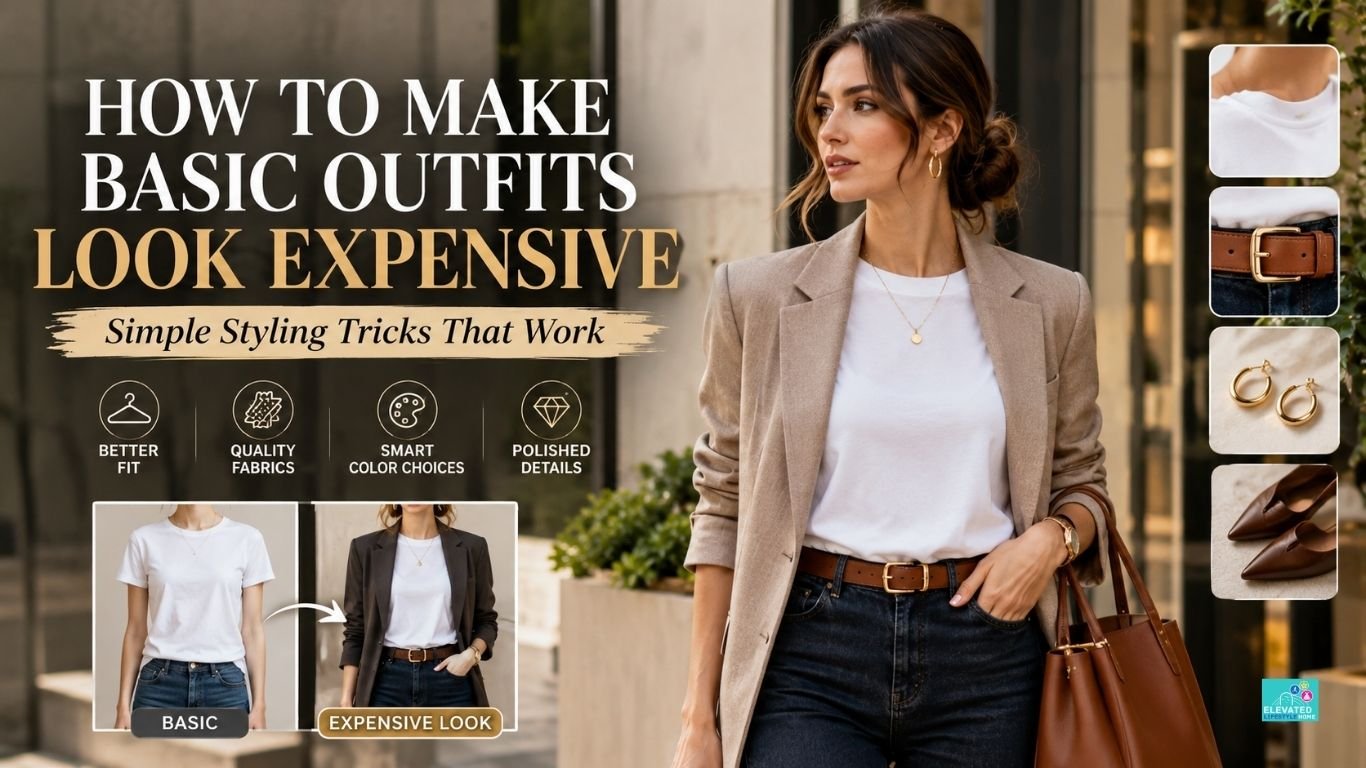
You do not need designer labels or a closet full of expensive pieces to look polished. Learning how to make basic outfits look expensive is more about fit, fabric care, proportions, color, and a few thoughtful finishing touches.
Why Plain Clothes Feel Boring and How to Make Basic Outfits Look Expensive

A simple outfit rarely falls flat because the individual items are bad. It feels boring because the pieces are sitting on the body without any styling intention. A plain crew-neck tee and basic trousers are blank canvases.
When worn without deliberate shape, texture contrast, or clear focal points, they slump against your frame and look accidental rather than effortless.
Quick Takeaway
Basic clothes look cheap when they lack intention. Adding structure, contrast, and clean lines instantly elevates simple staples without buying anything new.
The difference between a lazy outfit and an elevated minimalist look comes down to three things: fabric condition, proportion control, and thoughtful finishing touches.
What you wear can also affect how you feel and carry yourself, which is one reason a well-maintained, comfortable outfit can make you feel more confident.
Wearing a rumpled, unstructured outfit quietly undermines your confidence. Mastering your everyday basics ensures you always feel pulled together before walking out the door.
The Real Problem: Why Simple Clothes Can Look Sloppy Instead of Chic
Before you can elevate simple clothes, you have to recognize what makes them look unpolished in the first place. High-end style is not about loud logos or expensive price tags. It is about clean lines, structural discipline, and garments that fit your body properly.
The Mistake of Wearing Wrinkled and Worn-Out Fabrics
The fastest way to ruin a basic look is wearing fabrics that have lost their structure. Thin, see-through cotton tees with bacon collars, faded black denim, and creased shirts immediately make an outfit look cheap.
Upgrading to high-density, heavyweight natural fabrics—like organic cotton, structured denim, and crisp linen—ensures your clothes hold their shape throughout the entire day.
How Poor Fit Destroys a Clean Silhouette

An off-the-rack garment that sits awkwardly across the shoulders or bunches up at the ankles looks careless.
High-end looks always feature precise proportions. Hemming wide-leg trousers so they break cleanly at the top of your shoe, or taking in a boxy shirt at the waist, transforms an inexpensive basic into a custom-tailored piece.
How to Look Put Together in Plain Clothes Every Single Day
Stepping out in plain clothes without looking underdressed is a matter of repeatable daily habits. Learning how to look put together in plain clothes comes down to keeping your garments in peak condition and using simple styling tricks to create visual balance.
The Power of Clean Lines and Fabric Steaming
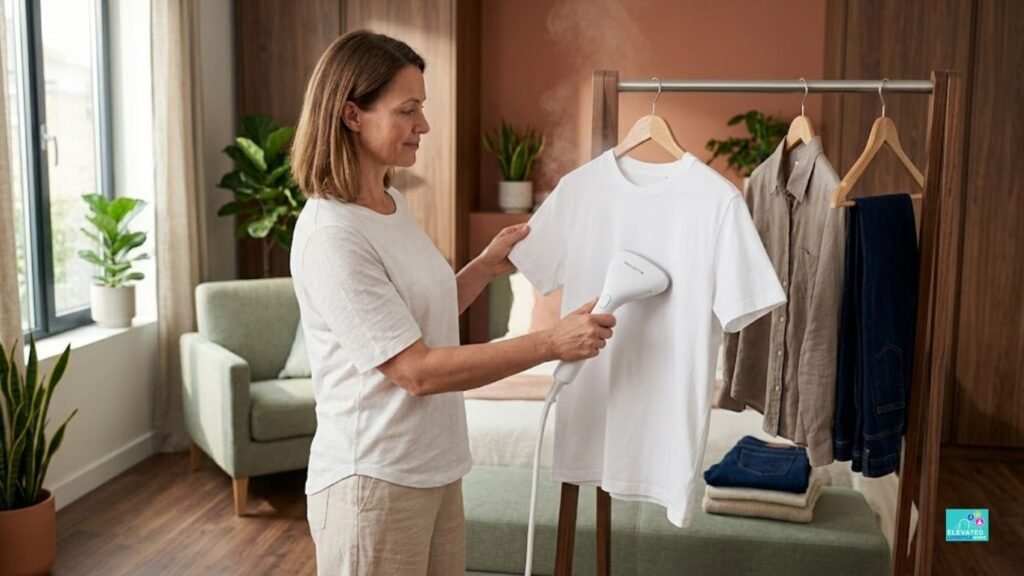
Never underestimate the power of a quick steam. Running a handheld steamer over a simple cotton tee and trousers takes less than two minutes, but it completely revives the drape of the fabric. Crisp, wrinkle-free lines instantly signal care and refinement.
Creating Balanced Proportions with the French Tuck
Leaving a loose top hanging straight down over wide trousers hides your natural waistline and makes your frame look boxy.
Using a soft French tuck—tucking just the front center of your top into your waistband while letting the sides drape naturally—defines your proportions, shows off your belt, and adds effortless polish.
How to Look Stylish in Plain Clothes with Smart Color Choices

Color harmony is one of the easiest ways to make inexpensive basics look deliberate and expensive. Learning how to look stylish in plain clothes starts with building cohesive color combinations that create long, elegant vertical lines.
Monochrome Dressing: Sticking to One Clean Tone
Wearing the same color family from head to toe creates an unbroken visual column that elongates your frame.
Layering varying shades of ivory, soft oatmeal, taupe, or all-black instantly gives simple basics a cohesive, high-end feel. Mixing different textures within that single color—like a ribbed cotton tank with smooth wool trousers—adds rich tactile depth.
Building an effortless wardrobe also starts with knowing what you actually own; explore our guide to creating a more intentional closet ideas.
High-Contrast Neutrals: White Tees and Dark Denim
When you want classic contrast, pair crisp white tops with dark, unwashed raw denim or charcoal trousers. The sharp difference between bright white and deep neutral tones creates an immediate, crisp visual boundary that looks sharp, professional, and timeless.
The Color Elevation Formula
Tonal Layering (Ivory + Oat) = Soft Luxury Column
High-Contrast Neutrals (Crisp White + Raw Denim) = Crisp Architectural Polish
How to Style Basic Clothes to Look Stylish for Any Occasion

Adapting everyday staples to suit elevated settings does not require a complete outfit change. Learning how to style basic clothes to look stylish relies on swapping relaxed outer layers for structured tailoring and grounding your look with intentional footwear.
Layering with Structured Blazers and Light Cardigans
An unlined, single-breasted blazer in taupe, charcoal, or deep navy instantly sharpens a casual outfit. Draped over a tucked white T-shirt and straight-leg denim, the defined shoulder line provides architectural structure that frames your face.
For a softer look, drape a fine-gauge cashmere cardigan over your shoulders, tying the sleeves loosely to create tactile depth without adding bulk.
If you’re dressing these basics for a more polished office or social setting, explore our guide to smart casual outfits for women for additional outfit combinations.
Swapping Casual Shoes for Pointed Leather Flats
Footwear defines the final tone of your outfit. A pair of worn canvas sneakers keeps a white tee and jeans grounded in casual territory.
Swapping those sneakers for pointed-toe leather flats, structured mules, or clean suede loafers immediately changes the entire balance, signaling understated sophistication in seconds.
For more ideas on making everyday casual pieces feel polished, see our guide on how to style casual outfits to look put together.
The Visual Anchor System: How to Make Basic Outfits Look Expensive
Turning affordable, simple staples into polished ensembles should never depend on morning guesswork.
The Visual Anchor System is an original 3-phase framework designed to ensure every basic outfit you put together carries intentional balance, clean lines, and high-end polish.
The Visual Anchor System Pipeline
Phase 1: The Fabric Base ➔ Phase 2: The Structure Rule ➔ Phase 3: The Hardware Anchor
(A simple 3-step formula for creating more polished outfits from everyday staples.)
Phase 1: The Fabric Base (Clean Natural Weaves)
Start with high-density natural textiles. Some lower-quality synthetic blends can feel less breathable, pill with wear, or lose their shape more quickly, depending on the fabric and construction.
Build your daily foundation around heavyweight organic cotton, crisp poplin, and structured linen. When the base fabric holds its own weight, the entire outfit looks deliberate and refined.
Phase 2: The Structure Rule (Opposite Volumes)
Always balance loose and fitted silhouettes. If you are wearing relaxed, wide-leg fluid trousers, keep your top fitted with a clean ribbed tank or a neatly tucked crew tee.
If your top is an oversized button-down, keep the lower half streamlined with straight-leg denim or tailored cigarette pants. This contrast prevents your frame from looking swallowed by fabric.
Phase 3: The Hardware Anchor (Belts, Bags, and Metal Tones)
Complete the outfit by grounding relaxed silhouettes with structured accessories. Define your waist with a medium-width leather belt, carry a structured leather tote that holds its shape, and align your metal finishes across your watch, belt buckle, and minimalist jewelry.
How to Accessorize Basic Outfits Easily Without Overdoing It
Accessories should frame an outfit, not overwhelm it. Learning how to accessorize basic outfits easily requires selecting a few quiet, high-quality anchors rather than piling on competing statement pieces.
The Minimalist Anchor Rule
1 Structured Leather Belt + 1 Pair of Brushed Metal Hoops + 1 Clean Leather Bag = Instant Polish
Choosing Clean Leather Belts and Structured Bags
Slouchy canvas bags and worn fabric belts make tailored trousers look disorganized. Anchor your everyday staples with a smooth leather belt featuring a clean brass or silver buckle.
Pair it with a structured leather shoulder bag or a geometric tote that stands upright on its own, instantly elevating simple denim and tees.
Minimalist Gold and Silver Jewelry Placement
Keep your jewelry curated and understated. A pair of small, brushed-gold hoops, a slim chain necklace, and a single band ring bring subtle warmth and light to your face.
Restricting your jewelry to two or three matching metallic pieces keeps your look polished without creating visual clutter.
How to Make Basic Clothes Look Stylish with Simple Micro-Adjustments
Understanding quick ways to upgrade simple pieces often comes down to 30-second adjustments before stepping out the door.
Push your blazer sleeves up toward your elbows to reveal your forearms and jewelry, unbutton the top two buttons of a crisp collared shirt to elongate your neckline, and ensure your trouser cuffs break cleanly over your shoes without messy bunching.
Common Wardrobe Mistakes That Make Inexpensive Clothes Look Cheap
Even a well-planned outfit can quickly lose its polish if small construction and styling errors go unnoticed.
When wearing simple basics, there are no busy patterns or heavy layers to distract the eye. Avoiding these subtle oversights ensures your everyday clothes consistently look refined and intentional.
Over-Complicating the Look with Too Many Trends
Trying to make a plain outfit interesting by piling on multiple trendy accessories creates visual chaos. Pairing chunky sneakers, a bucket hat, a patterned scarf, and bright jewelry with a basic white tee distracts from clean lines.
True elegance relies on restraint: let simple basics remain understated, adding only one or two clean focal accents to ground the look.
Ignoring Loose Threads, Missing Buttons, and Pilling
Affordable garments often show wear quickly if neglected. Frayed hem threads, loose plastic buttons, and sweater pilling make an otherwise great outfit look tired.
Spending five minutes trimming stray threads, tightening loose buttons with matching thread, and running a fabric defuzzer over cotton knits instantly restores a crisp, high-end appearance.
Everyday Care Tips to Keep Plain Basics Looking Brand New
Preserving the shape and color of basic clothes is essential for an elevated appearance. Always follow the care instructions on the garment label, especially for washing, drying, ironing, and other treatments.
Skip high-heat dryer cycles, which break down elastic fibers and cause necklines to curl. Instead, hang tops on wide hangers or lay knitwear flat to dry.
A handheld garment steamer relaxes deep wrinkles and revitalizes natural fabric drape in minutes, keeping inexpensive cotton and linen looking crisp and newly tailored.
The Core Wardrobe Basics That Always Look High-End

Building an elevated everyday rotation does not require a large budget. A tightly curated selection of hard-working foundational staples provides high visual return with zero morning stress.
Want a simpler way to put these styling ideas into practice? Download our free one-page styling checklist. and use it to build more polished outfits from the basics you already own.
The Heavyweight White Crew Tee and Tailored Trousers
Invest in high-density, opaque white organic cotton tees that hold their structure around the collar. Pair them with fluid, high-waisted pleated trousers in charcoal, beige, or black. This timeless pairing provides a clean architectural canvas that looks effortlessly sophisticated in any setting.
The Structured Blazer and Classic Leather Belt
A single-breasted blazer with defined shoulder lines adds immediate authority over plain denim or casual skirts.
Cinch the waist with a medium-width genuine leather belt featuring brushed brass or silver hardware. These two anchors turn the most casual foundation into a sharp, confident ensemble.
Real Style Comes from Confidence and Simple Details
Learning how to make basic outfits look expensive is never about chasing luxury logos or spending substantial amounts on designer labels.
It is a quiet daily practice of choosing proper fit, caring for your fabrics, and creating balanced proportions with simple details. When your clothes fit well and feel comfortable, your posture and presence shift naturally.
If you prefer a more refined approach to everyday dressing, our guide on how to dress chic in simple clothes offers more ideas for creating polished looks without relying on statement pieces.
True elegance lives in the calm confidence of keeping things simple, intentional, and clean.
Wear your basics with purpose—and let your presence carry the room.
FAQs: How to Make Basic Outfits Look Expensive
How can I make basic outfits look expensive without buying new clothes?
Use a handheld steamer to remove all creases, tuck your top with a clean French tuck to define your waistline, and push your sleeves up to expose your wrists. Adding a classic leather belt with clean metal hardware instantly elevates simple staples you already own.
How to make basic clothes look stylish in casual settings?
Focus on opposite volumes to create visual balance. Pair loose, wide-leg trousers with a fitted ribbed tank, or balance an oversized button-down shirt with slim, straight-leg denim. This dynamic contrast prevents casual basics from looking sloppy.
How to look put together in plain clothes every morning?
Stick to a monochromatic or tonal neutral color palette like ivory, oat, slate, or charcoal. Head-to-toe tonal dressing creates a long, continuous line that makes plain cotton tees and trousers look intentional and refined.
How to elevate basic outfits easily using accessories?
Anchor simple clothes with structured leather pieces rather than flimsy canvas bags. A medium-width leather belt, minimalist gold hoop earrings, and a structured bag that holds its shape provide clean visual anchors that sharpen relaxed basics.
How to dress up a basic outfit effortlessly for work or dinner?
Layer a tailored, single-breasted blazer over your basic tee and swap casual sneakers for pointed-toe leather flats or mules. The defined shoulder structure and sleek footwear instantly transform a daytime base into an evening-ready outfit.
What fabrics make simple clothes look high-end?
Choose well-constructed natural or natural-fiber fabrics such as heavyweight cotton, linen, and crisp cotton poplin. These natural weaves hold their shape, drape cleanly over the body, and resist the clingy, limp look of cheap synthetics.
How do you keep plain white T-shirts looking new?
Wash white tees in cold water with mild detergent and avoid high-heat dryer cycles that warp collar seams. Hang them on wide hangers to air-dry, and steam out wrinkles before wearing to preserve the crisp, opaque drape of the fabric.
What makes an outfit look expensive instead of cheap?
Fit, fabric condition, clean lines, balanced proportions, coordinated colors, polished shoes, and a few intentional accessories can make a simple outfit look more refined. You do not need designer labels to create that effect.
Does tailoring make basic clothes look more expensive?
Yes. Small alterations such as hemming trousers, adjusting sleeves, or refining the waist can make inexpensive clothes look more polished. Fit is often more important than the brand or price of the garment.
Which basic piece in your closet is your favorite to style, and how do you dress it up? Drop a comment below and share your everyday formulas with us.

